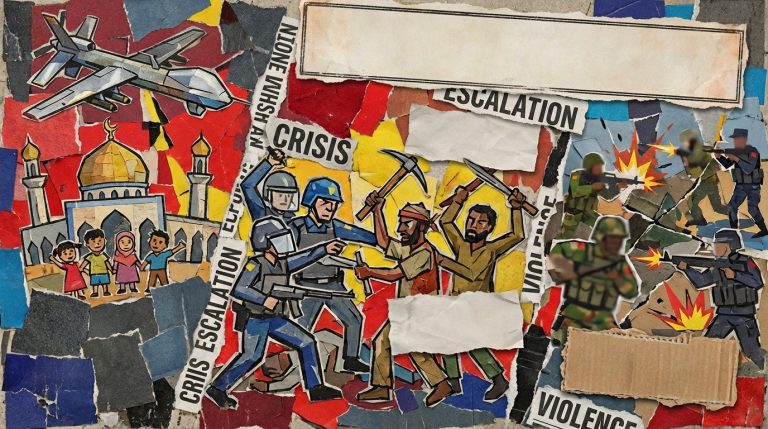
The past 24 hours have been marked by a devastating escalation in Nigeria’s Kwara State conflict, where a suspected Boko Haram raid resulted in significant civilian casualties and mass displacement.
a. Update: Massive gunmen attack in Kwara State, Nigeria
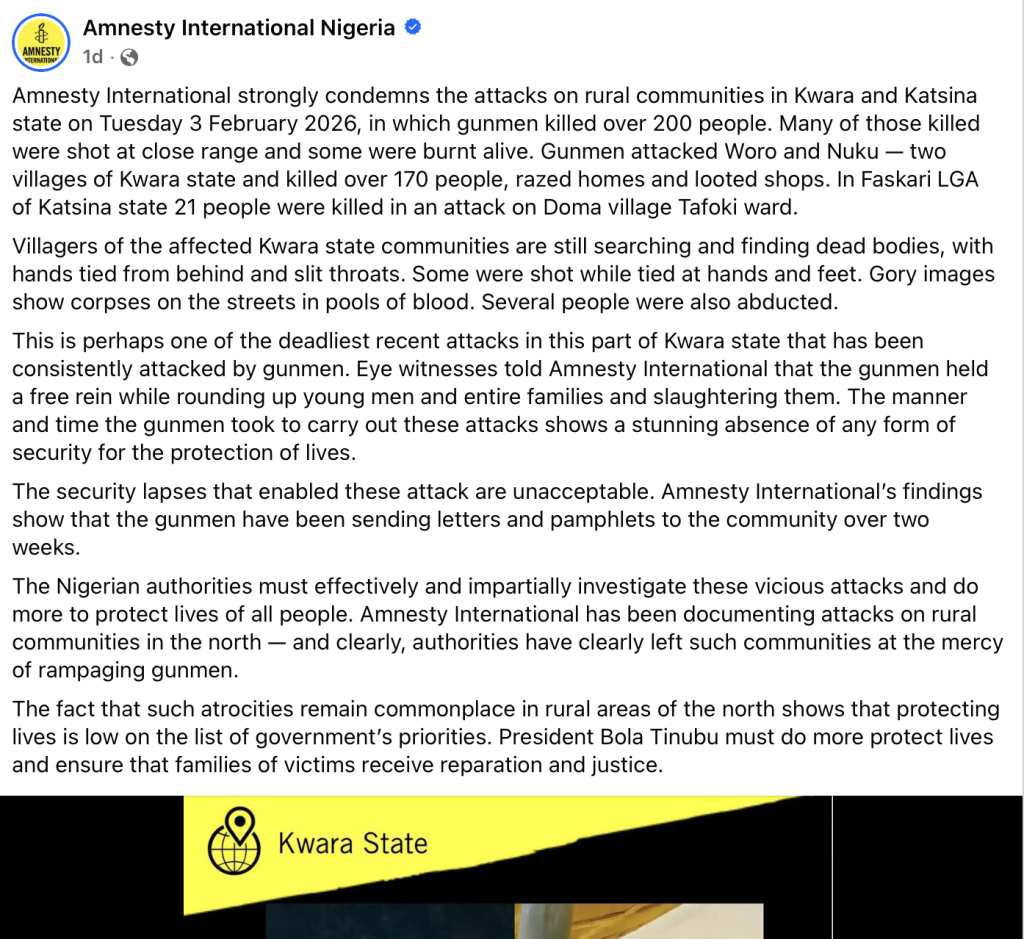
A large-scale mass casualty attack struck Nuku and Woro villages in Kwara State, Nigeria in February 03 2026. Armed militants, suspected to be affiliated with Boko Haram, reportedly stormed the predominantly Muslim villages in a coordinated night raid that lasted approximately three to four hours, killing ~75 people and ~38 abducted. Amnesty reports the number of people killed in the area could be ~170. Witnesses indicate that the attackers moved systematically through the settlements, setting homes and shops ablaze and killing residents in what appears to have been a deliberate campaign of intimidation and punishment.
Preliminary accounts suggest the assault specifically targeted individuals who had refused to join or support the insurgent group. By using extreme violence and widespread destruction, the attackers sought to enforce ideological compliance and compel forced recruitment within local communities. The incident highlights the continued expansion of militant influence beyond traditional northeastern strongholds and underscores the growing vulnerability of rural populations in Nigeria’s north-central corridor to insurgent coercion and reprisal attacks.
b. M23/AFC peace framework
New details emerging between February 03 and 05, 2026 have clarified how the Doha-mediated framework between the Democratic Republic of Congo (DRC) government and the AFC/M23 rebel coalition is expected to function in practice, signalling cautious diplomatic momentum even as fighting persists on the ground in eastern Congo.
The latest document builds on protocols first signed in November 2025 in Doha and outlines the mechanisms intended to monitor and enforce a potential ceasefire. At the centre of the arrangement are two core structures designed to oversee both political decision-making and operational verification. The first, known as the Ceasefire Oversight and Verification Mechanism (COVM), is intended to serve as the political and decision-making body of the ceasefire. It will supervise implementation, receive reports of violations, issue directives, and take decisions by consensus among participating actors.
Complementing it is the Joint Verification Mechanism (EJVM+), which will function as the operational arm of the ceasefire. This body is expected to conduct field investigations, monitor security and humanitarian conditions, verify alleged violations, and submit its findings to the COVM for political review and action. Both mechanisms will operate under the responsibility of the International Conference on the Great Lakes Region (ICGLR), following endorsement at a regional summit in Zambia earlier this year. The framework sets a target of establishing these monitoring structures within 30 days and defines the participation and status of various actors, including decision-making members and observers.
Despite these formal steps, significant uncertainties remain. Key decisions are still pending regarding the composition of the COVM secretariat, a politically sensitive structure that will shape how directives are issued and implemented. Questions also persist around the potential role of the UN peacekeeping mission MONUSCO, particularly following suggestions by Qatari authorities that deployments could occur in eastern cities such as Uvira, even though the current document does not explicitly reference such involvement.
Importantly, this is not the first ceasefire monitoring initiative introduced since the resurgence of conflict in 2022. Previous mechanisms have struggled to produce public reporting, enforcement decisions, or meaningful accountability for violations. Nevertheless, the latest agreement sends a signal that the Doha process remains active after months of limited visible progress. Whether these newly clarified structures translate into measurable de-escalation will depend on political will among the parties, credible monitoring on the ground, and sustained regional and international backing.
c. Ethiopia: Western Tigray clashes
Renewed armed clashes erupted in Ethiopia’s Western Tigray region on February 5, 2026, placing fresh strain on the fragile Pretoria Peace Agreement that formally ended the country’s devastating civil war in 2022. The latest confrontations reportedly involved regional militias and federal-aligned forces engaging in localized skirmishes across disputed administrative boundaries, an area that has remained one of the most contentious fault lines in the post-war settlement.
While the clashes appear limited in scope, they underscore the volatility of the region and the risk that localized confrontations could escalate if political and administrative questions remain unresolved.
Conclusion
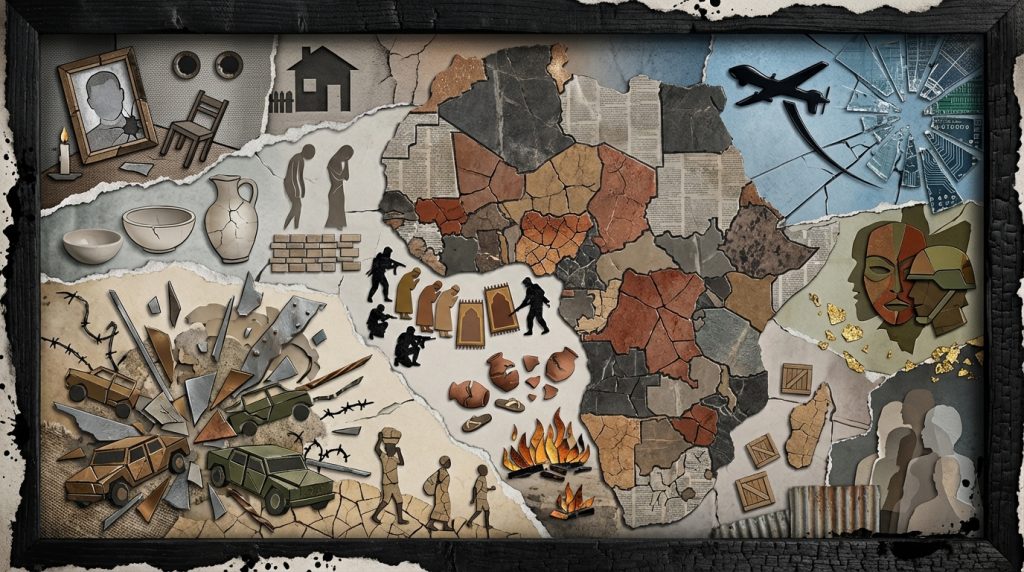
Taken together, these developments reflect broader patterns: localized conflicts remain highly fluid, state authority is contested in multiple zones, and the capacity for both escalation and rapid shifts in control is growing.